
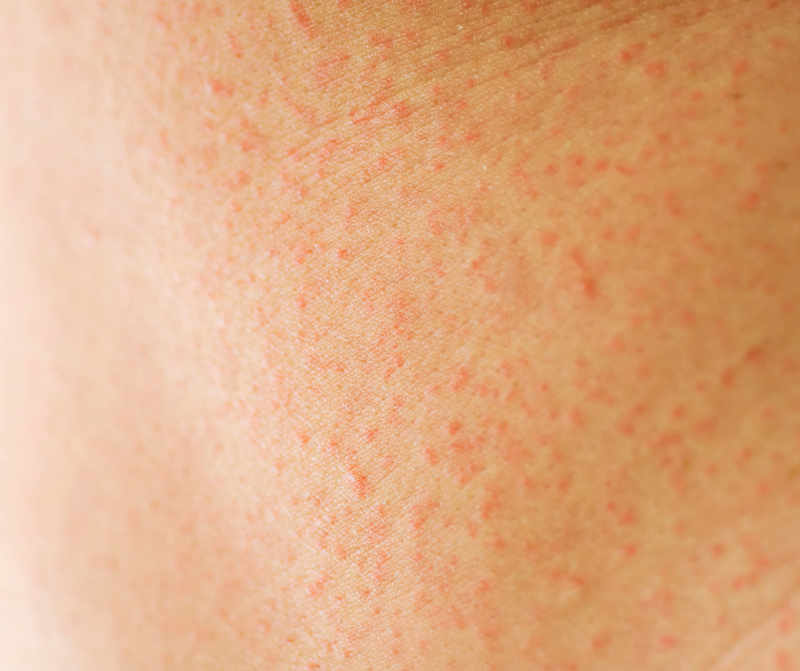
Gluten-Free Skincare: Why It Matters for Sensitive Skin
Gluten-free living has become much more visible over the last several years. We see gluten-free foods on grocery store shelves, restaurant menus, and product labels everywhere. For many people, avoiding gluten is not a trend — it is a medical necessity.
Celiac disease is an autoimmune condition triggered by eating gluten, a protein found in wheat, barley, rye, and related ingredients. For someone with celiac disease, even small amounts of gluten can create inflammation and damage in the small intestine. Others may not have celiac disease but still experience gluten sensitivity or wheat-related reactions.
While diet is the most important factor for anyone managing celiac disease or gluten sensitivity, many people also want to know what is in the products they use on their skin, lips, scalp, and body. That is where gluten-free skincare can offer extra peace of mind.
Can Gluten Affect the Skin?
For some people, yes — but the connection depends on the condition.
One of the clearest skin conditions associated with gluten is dermatitis herpetiformis, an intensely itchy rash linked to celiac disease. It often appears as clusters of bumps or blisters and may show up on the elbows, knees, buttocks, scalp, hairline, or other areas of the body.
Other skin concerns, such as eczema, acne, and keratosis pilaris, may flare for some individuals when the body is inflamed or reacting to certain foods. However, these conditions are complex and can be influenced by many factors, including genetics, hormones, allergies, stress, gut health, barrier damage, climate, and skincare products.
The bottom line: gluten is not the cause of every rash or breakout. But if you are gluten sensitive, have celiac disease, or notice your skin reacts when you consume gluten, it may be worth taking a closer look at both your diet and your personal care products.
Does Gluten Absorb Through the Skin?
This is an important distinction.
For most people with celiac disease, gluten in a lotion, cleanser, or body cream is not considered a major concern because gluten is not typically absorbed through intact skin in a way that would trigger intestinal damage.
However, gluten-containing products may still matter in certain situations:
-
Lip products can be accidentally ingested.
-
Hand creams can transfer to food.
-
Products used near the mouth may increase the chance of accidental exposure.
-
Broken, irritated, or compromised skin may be more reactive.
-
Some people may have wheat allergy or skin sensitivity separate from celiac disease.
-
Highly sensitive individuals may simply prefer to avoid gluten in all personal care products.
At UltraPure Cosmetics, we believe ingredient transparency matters. If you are trying to avoid gluten, you should not have to guess what is in your skincare or makeup.
Gluten and Acne-Prone Skin
Acne is usually driven by a combination of factors, including hormones, oil production, bacteria, inflammation, stress, and clogged pores. Gluten does not directly cause acne for everyone.
That said, some people who are sensitive to gluten report that their breakouts improve when they remove gluten from their diet. This may be related to lower inflammation, improved digestion, or identifying a personal trigger.
If you suspect gluten is worsening your acne, the best approach is to track your symptoms, speak with your healthcare provider, and use a gentle skincare routine that supports the skin barrier without clogging pores.
Gluten and Eczema-Prone Skin
Eczema is usually linked to a weakened skin barrier, immune reactivity, allergies, irritants, climate, and genetics. Gluten is not a universal eczema trigger.
However, people with food sensitivities, wheat allergy, or gluten sensitivity may notice certain foods worsen their flare-ups. The key is identifying your own triggers rather than assuming one ingredient is the issue for everyone.
For eczema-prone skin, the goal is simple: keep the barrier calm, hydrated, and protected. Avoid harsh cleansers, heavy fragrance, aggressive exfoliation, and anything that leaves the skin feeling tight, stinging, or raw.
Gluten and Keratosis Pilaris
Keratosis pilaris, often called “chicken skin,” appears as tiny rough bumps, usually on the upper arms, thighs, cheeks, or buttocks. It happens when keratin builds up around the hair follicle.
Some people associate keratosis pilaris with gluten sensitivity, but the research is not clear enough to say gluten directly causes it. In some cases, people with celiac disease or digestive issues may have nutrient absorption concerns that can affect skin health overall.
A gentle routine, consistent moisturization, and mild exfoliation can often help improve the look and feel of keratosis pilaris over time.
Common Gluten-Derived Ingredients to Watch For
If you are avoiding gluten in skincare, makeup, haircare, or lip products, review labels carefully. Ingredients can vary by supplier and formula, but common ingredient names to watch for include:
-
Wheat germ oil
-
Hydrolyzed wheat protein
-
Hydrolyzed wheat gluten
-
Triticum Vulgare
-
Barley extract
-
Hordeum Vulgare
-
Rye extract
-
Secale Cereale
-
Malt extract
-
Hydrolyzed malt extract
-
Fermented grain extract
-
Oat / Avena Sativa
-
Dextrin
-
Dextrin palmitate
-
Maltodextrin
-
Yeast extract
-
Ingredients with “wheat,” “barley,” “rye,” “malt,” or “triticum” in the name
Oats deserve a special note. Oats are naturally gluten-free, but they are often cross-contaminated with wheat, barley, or rye unless they are specifically processed and verified as gluten-free.
What To Do If You Develop a Rash
If you develop a new, severe, painful, blistering, or intensely itchy rash, call your doctor or dermatologist. Do not try to self-diagnose a gluten-related skin condition from appearance alone.
It can be helpful to write down:
-
What you ate in the last 24–48 hours
-
Any new skincare, makeup, sunscreen, shampoo, detergent, or fragrance you used
-
Whether the rash is itchy, burning, blistering, spreading, or painful
-
Whether you have digestive symptoms, fatigue, swelling, or other changes
-
Any known allergies or sensitivities
Ask your healthcare provider whether testing for celiac disease, wheat allergy, gluten sensitivity, or other skin conditions makes sense for you.
How To Care for Sensitive or Reactive Skin
When skin is irritated, the goal is to calm, protect, and simplify.
1. Use a gentle gluten-free cleanser
Avoid harsh foaming cleansers that leave skin feeling stripped. A mild cleanser can help remove impurities while supporting the skin barrier.
UltraPure Coconut Milk Cleanser is a gentle option for dry, sensitive, or reactive skin. Coconut milk contains natural fatty acids that help soften and comfort the skin, making it a beautiful choice when the skin feels dry, tight, or easily irritated.
2. Avoid strong exfoliation on raw or broken skin
If the skin is open, raw, burning, or very inflamed, pause exfoliating acids and scrubs until the skin has calmed.
Once the skin has recovered, a gentle AHA cleanser such as Crystal Clear Mandelic Cleanser may help smooth rough texture and improve the look of clogged pores, dullness, and rough skin. Mandelic acid is often considered one of the gentler alpha hydroxy acids, making it a smart option for many sensitive skin types when used properly.
3. Mist with calming antioxidants
After cleansing, replenish the skin with lightweight hydration and antioxidants.
Phyto-C Age-Infusion Spray offers a refreshing infusion of vitamin C, hyaluronic acid, and soothing hydrosols. It can be used after cleansing, throughout the day, or after makeup to refresh and hydrate the skin.
4. Protect the skin barrier with moisturizer
Reactive skin needs barrier support. Choose a moisturizer that comforts the skin without feeling heavy or irritating.
Essential Moisture with Snow Mushroom helps hydrate and cushion the skin while supporting a soft, healthy-looking complexion. Snow mushroom is known for its ability to hold water and provide lightweight hydration.
5. Choose simple, gluten-free makeup
When skin is sensitive, less is often more.
A loose mineral foundation can be a smart choice because it keeps the formula simple and breathable. Flawless Finish Foundation features a minimal ingredient approach and includes zinc oxide, which is often appreciated by those with sensitive or reactive skin.
6. Do not forget the body
Body skin can be just as reactive as facial skin, especially on the arms, legs, torso, and areas prone to rough bumps or dryness.
Crème Fraîche Body Cream is a rich, comforting body moisturizer featuring MSM, a naturally occurring sulfur compound. Sulfur is an essential mineral involved in healthy-looking skin, and MSM is often used in body care formulas designed to soften and nourish dry skin.
Why Choose Gluten-Free Skincare?
Gluten-free skincare may not be medically necessary for everyone, but it can be a smart and reassuring choice for people who are highly sensitive, have celiac disease, use lip products, or simply want cleaner ingredient transparency.
At UltraPure Cosmetics, we formulate with sensitive skin in mind. Our goal is to create clean, effective, beautiful skincare and makeup that supports the skin without unnecessary irritants.
If you are managing gluten sensitivity, celiac disease, or reactive skin, your routine should feel safe, simple, and supportive — not confusing.
Explore UltraPure’s gluten-free skincare and mineral makeup designed for sensitive, reactive, and ingredient-conscious skin.
Disclaimer: UltraPure Cosmetics does not diagnose, treat, prevent, or cure any disease. This information is for educational purposes only and is not a substitute for medical advice. If you have a rash, suspected allergy, celiac disease, dermatitis herpetiformis, or any ongoing skin concern, please consult your physician, dermatologist, or qualified healthcare provider.