
Skin Barrier Repair: What to Look for in a Barrier Support Cream
If your skin feels tight, reactive, or dry even after moisturizing, you may not need a heavier cream — you may need structural barrier support.
What does a compromised skin barrier look like?
Many clients don’t realize their barrier is impaired. They simply think: “I need a better moisturizer.” Here are common signs your barrier may need support:
- Skin feels tight within hours of moisturizing
- Stinging after cleansing
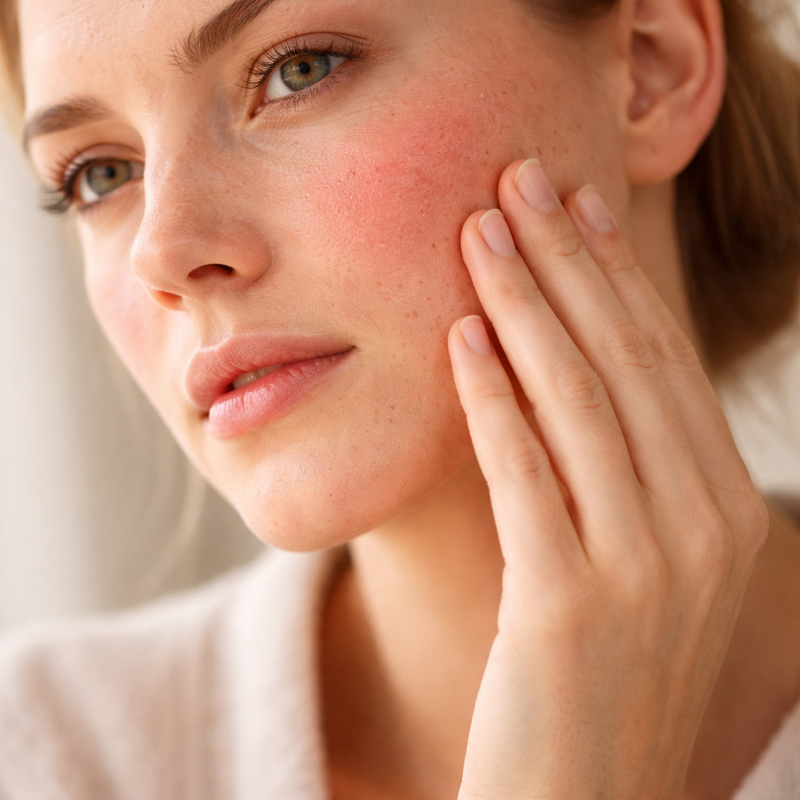
- Redness or flushing that lingers
- Makeup sits unevenly or emphasizes texture
- Skin looks dull despite “hydrating” products
- Feels dry and breakout-prone at the same time
When barrier function is weakened, water escapes more easily — called transepidermal water loss (TEWL). Without structural lipid support, hydration can evaporate quickly, leaving skin uncomfortable again.
Can a compromised barrier happen at any age?
Yes. Barrier disruption isn’t limited to mature or “sensitive” skin. It can happen at any age — even in oily or acne-prone skin — depending on lifestyle, products, and environment.
What causes barrier damage?
Scrubs, brushes, and aggressive “polishing” can disrupt protective lipids, increasing micro-inflammation and sensitivity — particularly if skin is already compromised.
Retinoids, acids, and brightening treatments can increase cell turnover and temporarily thin the outer layer—especially during the adjustment phase.
- Flaking
- Redness
- Heightened dryness or sensitivity
If irritation persists, it’s often wise to pause actives and focus on barrier support until skin feels comfortable again—then reintroduce gradually.
Cold weather, indoor heating, wind, and even air conditioning can increase TEWL. Skin that feels balanced in summer may suddenly feel tight and reactive in winter.
Moisturizer vs. barrier support: what’s the difference?
- Add surface hydration
- Soften temporarily
- Feel rich, but fade quickly
- Reinforce structural lipids
- Reduce TEWL over time
- Maintain comfort for hours, not minutes
What to look for in the best barrier repair cream
Look for ceramides like NP, AP, and EOP — essential building blocks of the barrier.
Works synergistically with ceramides to strengthen lipid structure.
Barrier creams should feel cushioned and supportive — not greasy or heavy — and layer well under SPF.
Humectants should be paired with lipids and gentle occlusion to prevent “tight again later” dehydration.
Healthy skin typically sits around pH 4.5–5.5. Barrier formulas should respect this range for comfort and resilience.
How Drenched in Ceramides supports daily barrier defense
At UltraPure, we formulated Drenched in Ceramides as a daily barrier support cream designed for year-round resilience. The texture is intentionally cushioned and protective — yet elegant enough for daily wear under SPF and makeup.
It’s not just a moisturizer. It’s structured barrier support.
When to use a barrier support cream
You may benefit from daily barrier reinforcement if you:
- Use retinoids or exfoliating acids
- Experience seasonal dryness
- Have sensitive or reactive skin
- Notice tightness despite moisturizing
- Want long-term skin resilience
Final thoughts: strengthen before you do more
If your skin constantly feels like it’s “chasing hydration,” consider reinforcing the structure that holds everything together. Barrier support is how skin becomes more comfortable, resilient, and consistent — especially during seasonal shifts or while using actives.